The role of photographer in branding is to visually communicate a brand’s authentic identity through tailored, consistent imagery that builds trust and recognition. This goes well beyond pointing a camera and pressing a button. A skilled photographer acts as a strategic partner, translating your values, personality, and goals into images that speak before you say a word. Whether you are a corporate professional updating your LinkedIn profile or a creative building a personal brand, the right photography shapes how people perceive you across every channel, from your website to your proposals.
How does professional photography influence brand identity and perception?
Brand photography acts as a visual extension of your brand, communicating tone, personality, and credibility across websites, LinkedIn, and client proposals. That means every image you put out is either reinforcing your brand or quietly undermining it. First impressions form in milliseconds, and visuals carry most of that weight.
One of the biggest mistakes professionals make is relying on stock imagery. Audiences detect generic stock aesthetics quickly, and when they do, it creates an authenticity gap that affects both trust and revenue. Custom photography, by contrast, shows your actual team, your real workspace, and the genuine personality behind the brand. That specificity is what makes people feel they already know you before they have even spoken to you.
The business case is measurable too. Custom brand photography consistently increases conversion rates on landing pages by 15 to 35 per cent compared to stock imagery. That is a significant return on a single photography investment, and it compounds over time as you reuse those assets across campaigns.
Here are the types of imagery that do the most work in branding:
- Professional portraits and headshots for LinkedIn, team pages, and speaking profiles
- Environmental portraits that place you in your working context, adding authenticity and depth
- Behind-the-scenes images that show your process and build a human connection with your audience
- Product and workspace photography that reinforces your brand’s visual language and values
Pro Tip: Book a session that covers multiple looks and settings in one day. You will walk away with a library of images that covers every platform and use case, rather than scrambling for content each time you need something new.
What distinguishes the photographer’s role from art direction in branding shoots?
This is a question that trips up a lot of clients, and getting it wrong can lead to a shoot that produces technically good images that somehow feel off-brand. The photographer and the art director have distinct but complementary roles, and understanding the difference helps you plan a shoot that actually delivers.
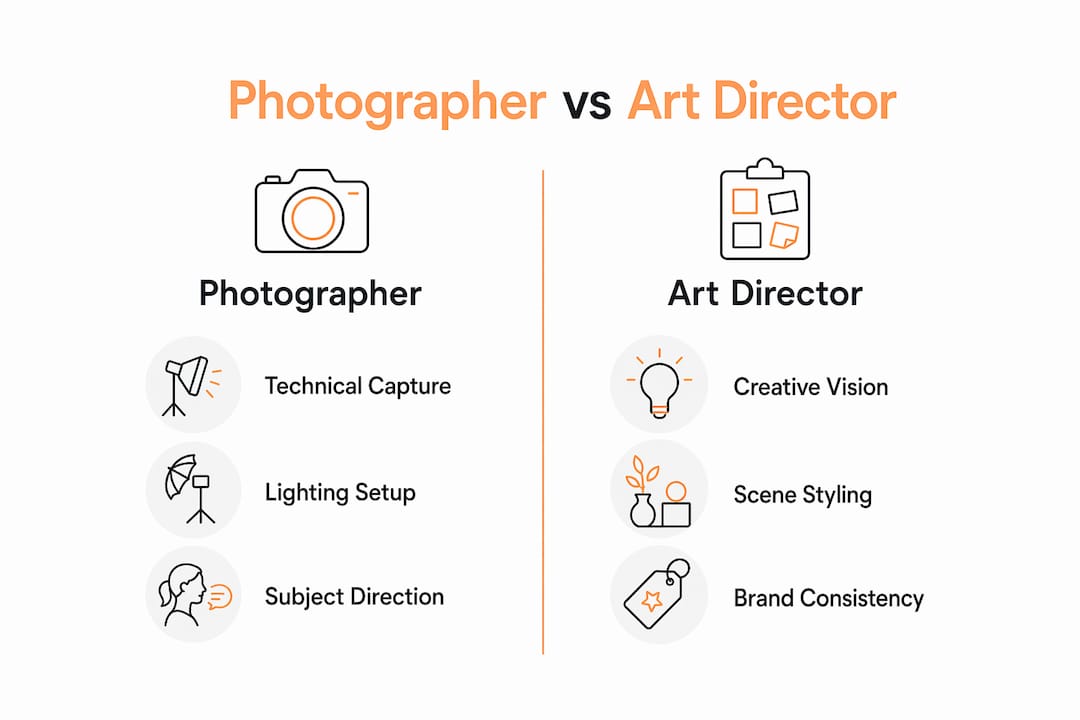
The photographer’s job is technical capture and creative execution. They handle lighting, camera settings, composition in the moment, and the direction of the subject to get natural, genuine expressions. They are focused on what happens through the lens.
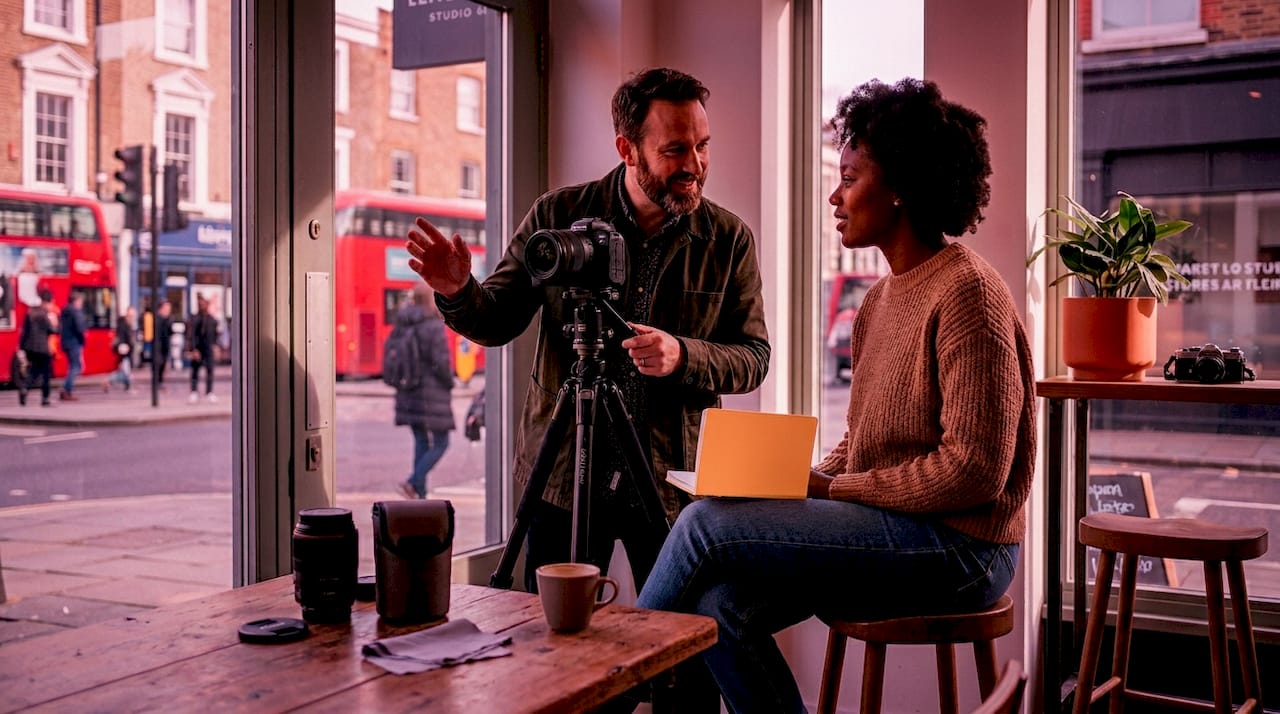
The art director, on the other hand, sets the look and feel of the shoot, guiding styling, props, location, and composition to produce cohesive images that match the brand vision. They work alongside the photographer from concept through to shoot day, ensuring every visual decision supports the brand’s identity rather than just looking attractive in isolation.
Here is how the collaboration typically works in practice:
- Pre-shoot planning — The art director builds the creative brief and mood board; the photographer advises on what is technically achievable within those parameters.
- Styling and set-up — The art director oversees wardrobe, props, and location; the photographer sets up lighting and tests compositions.
- On the day — The photographer directs the subject for natural expressions while the art director monitors that each shot aligns with the brand brief.
- Post-shoot review — Both review selects together to confirm the final images serve the brand’s visual strategy.
| Role | Primary focus | Key responsibilities |
|---|---|---|
| Photographer | Technical capture and subject direction | Lighting, camera, natural expression, image quality |
| Art director | Brand vision and visual cohesion | Styling, props, location, mood board, brief alignment |
Not every shoot has a dedicated art director, particularly for personal branding sessions. In those cases, a good photographer takes on elements of both roles, which is why choosing someone with genuine branding experience matters so much.
Pro Tip: Even for solo personal branding shoots, bring a one-page brand brief to your session. Share your brand colours, the platforms you use, and two or three words that describe how you want to come across. It gives the photographer a clear creative anchor.
How does careful planning and briefing enhance branding photography results?
Planning is where most branding shoots are won or lost. You can hire the most talented photographer in London, but without a clear brief, you are likely to end up with beautiful images that do not quite fit your brand.
A mood board of 15 to 25 reference images is the single most effective planning tool you can bring to a shoot. It aligns lighting preferences, colour palette, composition style, and the overall mood across everyone involved before a single frame is taken. Sharing it in advance means the photographer arrives prepared, not guessing.
Clear briefs defining what photos should communicate and sharing brand guidelines are what allow photographers to create images that genuinely feel right for the brand. Without that context, even experienced photographers are working in the dark.
Here is what a strong photographer brief should include:
- Brand overview — Your values, tone, and the personality you want to project
- Platform and usage context — Where the images will appear (LinkedIn, website hero, press, social media)
- Audience description — Who will see these images and what should they feel when they do
- Visual references — Your mood board, competitor examples you admire, and styles to avoid
- Shot list — Specific images you need, from headshots to environmental portraits to group shots
- Wardrobe and styling notes — Colours that align with your brand palette, what to avoid
Pro Tip: Share your brand guidelines document with your photographer before the shoot, not after. Fonts, colour palettes, and tone-of-voice notes all inform visual decisions, even if they seem unrelated to photography.
Knowing how your images will be used also shapes the shoot itself. A hero image for a website homepage needs very different framing and negative space than a LinkedIn profile photo. Telling your photographer this upfront means they can frame shots with the final layout in mind, saving you time in post-production and avoiding the frustration of a great image that cannot be cropped to fit.
In what ways do photographers enhance personal branding and authentic visual storytelling?
Personal branding photography enables stronger first impressions, authentic storytelling, and consistent identity across platforms. The key word there is authentic. People do not connect with polished perfection. They connect with warmth, personality, and the sense that there is a real human being behind the brand.
Branding through visual storytelling means going beyond a clean headshot. It means capturing the way you think, the environment you work in, and the energy you bring to what you do. A consultant photographed at their desk mid-thought tells a different story than the same person posed formally in a studio. Both have their place, but the combination creates a fuller, more believable picture.
Most branding shoots succeed or fail based on how well the subject is directed and made comfortable. Posing expertise is secondary to natural expression. A photographer who creates a relaxed, conversational environment will consistently produce more usable images than one who focuses purely on technical perfection without attending to how the subject feels.
For personal branding specifically, here is what great photography delivers:
- Versatility across platforms — Images cropped and formatted for LinkedIn, Instagram, website bios, and press features without losing impact
- Personality and warmth — Shots that show you as approachable and genuine, not just professional
- Shareability — Images that people actually want to engage with and share, rather than scroll past
- Consistency over time — A cohesive visual identity that makes you instantly recognisable across every touchpoint
Authentic imagery builds trust by showing real people and genuine environments, and that trust translates directly into revenue. For a personal brand, that means more enquiries, stronger referrals, and a profile that genuinely reflects who you are and what you offer.
What I have learned about photographers and branding after years behind the lens
The biggest misconception I see is that clients think the photographer’s job is just to take pictures. It is not. The real job is to understand what a brand needs to communicate and then create the conditions where that communication happens naturally in front of the camera.
I have worked with clients who arrived with a vague idea of wanting to look “professional” and left with images that genuinely captured their personality, their energy, and their story. That only happens when there is real dialogue before the shoot. When I know what someone does, who they serve, and how they want to be perceived, I can direct them in a way that produces something far more powerful than a technically correct portrait.
The other thing I have noticed is that consistency matters more than any single great image. One stunning headshot is useful. A cohesive library of images that works across your website, your social media, your press kit, and your proposals is what actually builds a brand over time. That is the standard worth aiming for, and it is entirely achievable with the right planning and the right photographer. You can see how corporate portraits support this when the whole system is built around your brand from the start.
— Emmet
How Lemonsharkstudio can support your brand photography
If you are ready to invest in photography that actually works for your brand, Lemonsharkstudio offers bespoke portrait and branding sessions from its studio in Fulham and on location across West London. Every session is built around a proper creative conversation, so the images you walk away with genuinely reflect who you are and what you do.
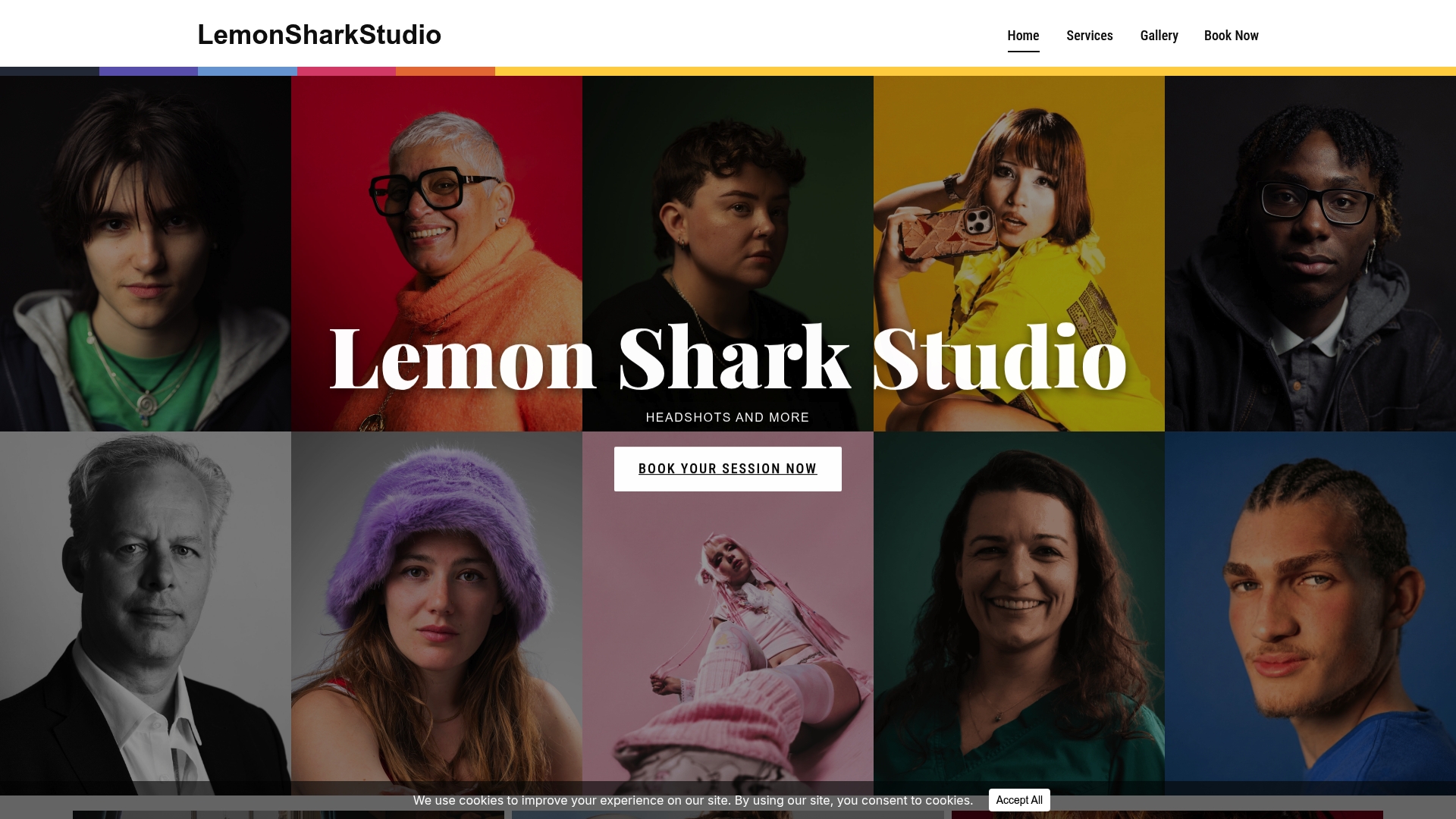
Whether you need professional headshots for LinkedIn or a full personal branding shoot with environmental portraits and lifestyle imagery, the studio tailors every session to your specific goals. Packages are straightforward, booking is simple, and the results speak for themselves. Take a look at the studio photography options and find the session that fits your brand.
FAQ
What is the role of a photographer in branding?
The role of photographer in branding is to create authentic, consistent visual content that communicates a brand’s personality, values, and credibility across platforms. Brand photography aligns what a business says with what it shows, building trust and recognition with its audience.
Why does professional photography matter more than stock images?
Custom photography shows real people, genuine environments, and actual brand personality, whereas stock images trigger subconscious distrust in audiences. Custom brand photography increases landing page conversion rates by 15 to 35 per cent compared to stock imagery.
How do I brief a photographer for a branding shoot?
Share a mood board of 15 to 25 reference images, a written brand overview, a shot list, and details on where the images will be used. Clear briefs and brand guidelines are what allow photographers to produce images that feel right for the brand rather than just technically competent.
What is the difference between a photographer and an art director on a branding shoot?
The photographer handles technical capture, lighting, and subject direction for natural expressions. The art director shapes the look and feel by overseeing styling, props, location, and composition to ensure every image aligns with the brand vision.
How does photography support personal branding specifically?
Personal branding photography creates a consistent visual identity across LinkedIn, social media, and websites, conveying personality and warmth beyond a simple professional headshot. Cohesive, authentic imagery humanises a personal brand and builds genuine connection with the people you want to reach.