Your professional photo for a London business profile does more work than most people realise. Before you send a single email, take a call, or walk into a meeting, someone has already looked you up online. And what they see in that first half-second shapes how they feel about working with you. A blurry selfie, an outdated holiday snap, or a cropped group photo does not say “serious professional.” It says you have not thought about how you present yourself. This guide walks you through everything, from picking the right photographer to getting the most out of your final images across every platform that matters.
What makes a great professional photo for your London business profile
Not all professional photos are created equal, and that matters more in London than almost anywhere else. This city is full of sharp, well-presented people competing for the same clients, the same partnerships, and the same press coverage. Your photo needs to do a specific job: it needs to instantly convey your sector and make the person viewing it feel they already know what you are about.
So what does a suitable photo actually look like? There are a few things to get right before you even think about booking a session.
Style and composition matter a great deal. A headshot for a City solicitor looks different to one for a creative director in Shoreditch. The framing, the background, the expression, the wardrobe choice. All of it sends a signal. Think about who your clients or contacts are and what they would expect to see.
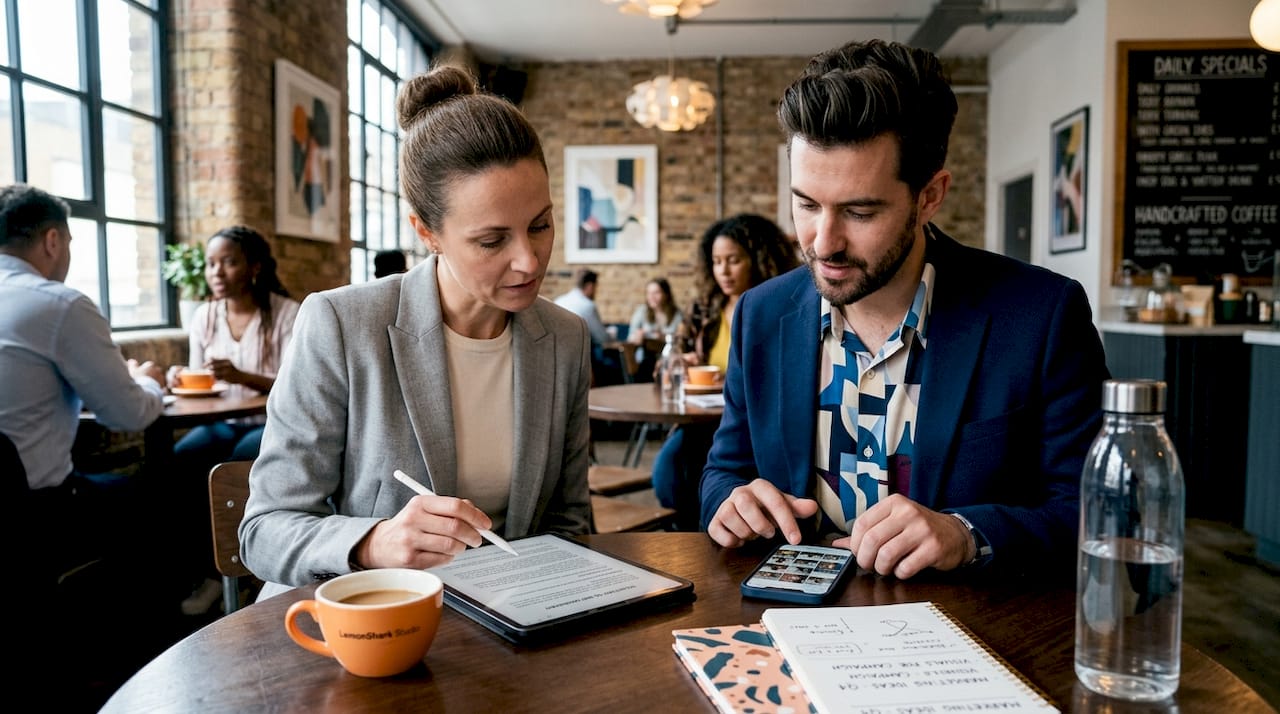
Choosing the right photographer is half the battle. Look for someone with a solid corporate portfolio, not just weddings and events. London portrait photography for professionals requires someone who understands the city’s business culture, knows which backdrops work, and can direct you confidently on the day. A local photographer brings that contextual knowledge with them.
Budget is a real signal of quality. Sessions priced below £150 often lack the specialist equipment, lighting experience, and efficient turnaround that professional clients need. If the price feels suspiciously low, it usually is.
Here is a quick checklist of what to look for before booking:
- A portfolio that includes corporate or LinkedIn headshots, not just portraits
- Reviews or testimonials from business clients
- Clear information on deliverables, file formats, and image rights
- Transparent pricing with no hidden extras
- A fast turnaround time so images are ready when you need them
Pro Tip: Ask the photographer to send you two or three recent examples from clients in your industry. If they cannot, that tells you something important.
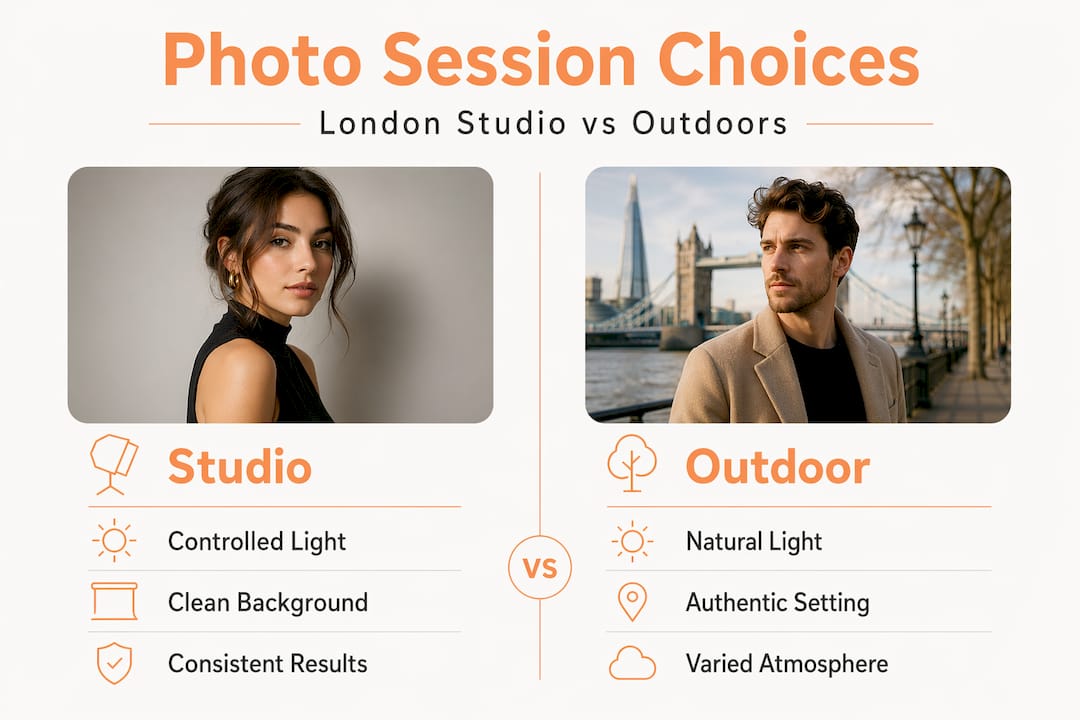
Finally, think about venue. Studio photography offers controlled conditions with consistent lighting and clean backgrounds, while environmental shots taken on location add personality and context. Neither is universally better. The right choice depends on your brand and how you want to come across.
How to plan and run your photo session
Getting a great result on the day comes down to preparation. Most people who walk away disappointed did not think things through before they arrived.
-
Book with intention. Before you confirm a session, ask the photographer what you will receive. How many edited images? What resolution? Do you own the files outright? Can you use them for PR and media as well as social profiles? These are not fussy questions. They are standard ones, and any professional corporate photographer will answer them clearly.
-
Sort your wardrobe in advance. Do not leave this to the morning of the shoot. Attire that aligns with your industry carries enormous weight in how the final photo reads. A solid colour typically photographs better than busy patterns. Avoid anything too casual unless your personal brand genuinely calls for it.
-
Prepare mentally, not just physically. Feeling self-conscious in front of a camera is completely normal. The best thing you can do is get a good night’s sleep, arrive a few minutes early, and let the photographer lead. They have done this hundreds of times and know how to draw out a natural expression.
-
On the day, trust the direction you are given. A good photographer will guide your posture, tell you where to look, and adjust the lighting to suit your face. Your job is to relax and respond. Small adjustments make a big difference to the final result, so stay present and communicative.
-
Make the most of your location. If you are shooting in a London studio, you get consistency and control. If you are outside, perhaps around Fulham, Southbank, or Canary Wharf, you get texture and a sense of place. Think about what context your clients would find most reassuring.
Pro Tip: Bring two or three outfit options to your session. Even a simple change of shirt or jacket can give you a completely different look for different platforms, so you walk away with more variety from a single booking.
Mistakes that undermine your final result
Even with a good photographer, things can go wrong. Here are the most common pitfalls and how to avoid them.
-
Dressing for the wrong audience. Over-dressing can make you look unapproachable. Under-dressing can make you look as though you did not take the session seriously. Think about what your clients wear to a client meeting and pitch yourself at that level.
-
Not communicating your goals clearly. Walk into the session knowing what platforms you are shooting for and what message you want the image to send. A photo for a financial services firm LinkedIn page reads very differently to one for a personal brand in the wellness sector. Tell your photographer this upfront.
-
Neglecting background and lighting choices. A cluttered or distracting background pulls attention away from you. Grainy or badly cropped photos actively reduce how professional you appear, regardless of how well you dressed for the shoot.
-
Misusing the final files. Stretching a low-resolution image to fill a large banner, cropping out too much of the frame to fit a tiny avatar, or applying heavy Instagram filters to a corporate headshot. All of these damage the image’s effectiveness.
-
Not asking for what you need during editing. If you are unhappy with something in the final selects, speak up. A professional photographer will discuss retouching requests calmly and tell you what is realistic. Asking for a small skin adjustment is fine. Asking to look like someone else is not.
Verifying and getting the most from your photos
Once you have your images, the real work begins. Getting a great photo is only useful if you use it well.
| Point | Details |
|---|---|
| Resolution and file quality | Request high-resolution files for print and compressed versions for web. Both have different use cases. |
| Visual consistency | Use the same photo, or photos from the same session, across LinkedIn, your website, and any PR profiles. Consistency across channels builds recognition and trust. |
| Industry alignment | The photo should confirm your sector at a glance. If people cannot tell what you do from looking at it, it is not doing its full job. |
| Photo currency | Update your photo regularly so it matches how you actually look. An outdated photo creates an odd moment when you meet someone in person. |
| Strategic placement | Add your photo to your Google Business Profile, press kit, email signature, and speaker bio as well as social media. |
When you are reviewing your shortlist of images, ask yourself a simple question: does this photo make me look like someone I would trust with my business? If the answer is yes, you have got what you came for.
Pro Tip: Once you have your final images, save master copies in a clearly labelled folder with both high-res and web-optimised versions. You will need them faster than you expect, whether for a media request, a conference bio, or a new website page.
For professional portraits used in a London PR campaign specifically, think about how the image reads in print as well as on screen. PR features sometimes run images at larger sizes than your standard LinkedIn thumbnail, so having a high-resolution file from the start saves you a lot of stress down the line. Professional portraits for London PR campaigns require images that hold up in editorial contexts, not just profile thumbnails.
My take on why this really matters in London right now
I have photographed hundreds of London professionals over the years, from barristers and bankers to tech founders and freelance consultants. And the honest truth is that most people come to me after one of two things happens. Either they lose a business opportunity because someone looked them up and was put off by what they saw. Or they get a piece of press coverage and cringe when they see the photo the journalist used because it was the only one available.
Digital-first networking has changed the game completely. Your photo is now doing the work that a physical handshake used to do. It is the thing that tells someone, before a single word is exchanged, whether you are someone worth paying attention to. That is a lot of pressure to put on one image, but it is the reality.
What I see far too often is people treating a headshot as a box-ticking exercise. They book the cheapest option they can find, spend forty minutes in a session, pick the first photo that does not make them wince, and upload it. Then they wonder why their profile does not feel quite right. Headshots are not vanity. They are a necessary tool for professionals in a city where people are making snap judgements about your credibility every single day.
The other thing I would say is this: working with someone who knows London specifically makes a real difference. Local photographers understand the visual expectations of different London industries and can steer you towards choices that feel right for your specific context. That is knowledge you cannot get from a generic photo studio with a white backdrop and a price list.
— Emmet
Ready to get your business profile photo sorted?
If you have read this far and you are thinking it is finally time to sort out your professional photo, Lemonsharkstudio is here to make that genuinely straightforward. Based in West London and working with professionals across every industry, the studio offers bespoke sessions for individuals and teams, covering everything from clean corporate headshots to environmental portraits that tell a richer story about who you are.
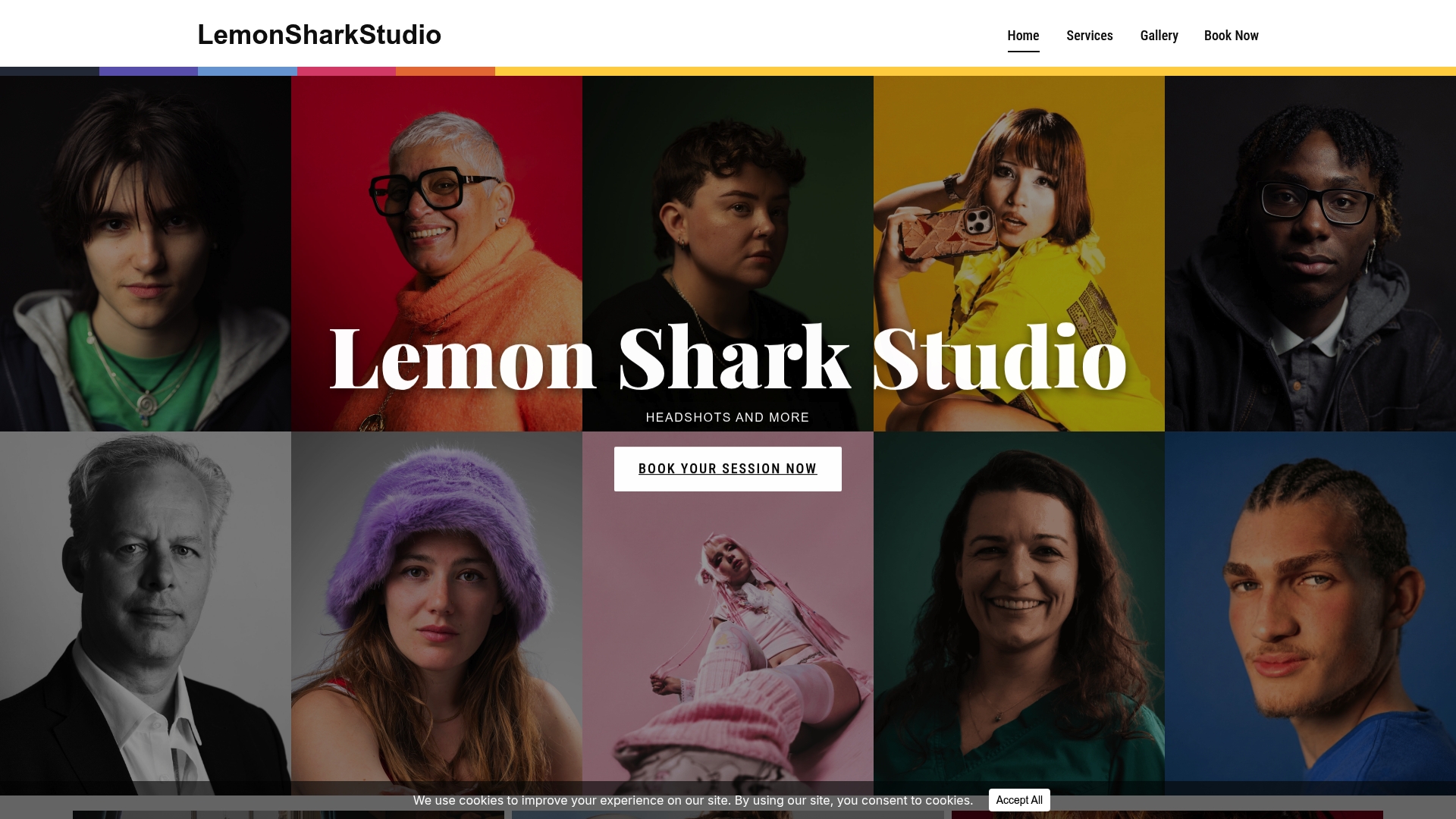
Whether you need a single polished image for your LinkedIn and press kit, or a set of varied shots for your whole team, Lemonsharkstudio has a package that fits. Sessions are efficient, relaxed, and designed around your goals, not a one-size-fits-all formula. You can explore the local business headshot options to find the right format, or browse the full range of professional headshot services to see what is possible. Booking is simple and the team will guide you through everything before you arrive.
FAQ
What should I wear for a professional headshot in London?
Wear something that reflects your industry and how you would dress for a client meeting. Solid colours generally photograph better than patterns, and you should avoid anything too casual unless your personal brand specifically calls for it.
How do I choose a good business profile photographer in London?
Look for a photographer with a corporate portfolio, clear pricing, fast turnaround, and transparent file delivery terms. A local London specialist will also understand the specific visual expectations of your industry.
How often should I update my professional business photo?
Update your photo whenever your appearance changes noticeably, or every two to three years at minimum. Keeping photos current means you are always ready for media requests, speaking engagements, and new business opportunities.
Should I choose a studio or outdoor location for my headshot?
It depends on your brand. Studio sessions give you clean, consistent results that work well on LinkedIn and company websites. Environmental shots add personality and context. Many London professionals find it worth getting both from a single session.
How do I use my professional photos effectively across platforms?
Use the same image or images from the same session across LinkedIn, your website, Google Business Profile, and your press kit. Visual consistency across channels builds recognition and reassures contacts that they are looking at the right person.